
Tiny Eden · Plants · Guide
Tiny Eden How to Warm Plants — Temperature, Light and Soil
Tiny Eden how to warm plants with heaters and air conditioners, plus light, soil mixing, weeds, biomass and how to remove a dead plant in the 1.0 game.
By the New Game Wiki team · Updated 2026-10-04
On this page (9)
- Temperature: Location, Season and Gear
- Light, Shade and Placement
- Soil: Seven Components and What They Do
- Weeds, Biomass and Dead Plants
- How do you warm plants in Tiny Eden?
- Why do my plants keep getting too cold or too hot?
- How do I remove a dead or wilting plant in Tiny Eden?
- What should I do with biomass in Tiny Eden?
- How do I get super compost in Tiny Eden?
The short answer to how to warm plants in Tiny Eden is heaters and air conditioners. Temperature in this game is positional and seasonal rather than a single global setting: the developer FAQ says balconies are warmer than rooftops but colder than indoor rooms, and that you control the conditions with heaters and air conditioners. Because a crop's climate needs change as it grows, the practical routine is to read the plant's status, move it to a spot that suits it, and only then add a heater or a fan.
Temperature: Location, Season and Gear
The developer FAQ frames temperature as two variables multiplied together — where the plant stands and what season it is. Balconies run warmer than rooftops but colder than indoor rooms, so a plant that thrives by the bedroom window may stall on the balcony and struggle on the roof. The community progression thread on Steam reaches the same conclusion from the player side, telling beginners they need heaters and fans to hold the right temperature, and recommending extra heaters, fans and lights for every room, sometimes more than one, or a movable set.
| Condition | Documented control |
|---|---|
| Temperature | Heaters and air conditioners |
| Location | Balconies warmer than rooftops, colder than indoors |
| Season | Shifts the temperature a spot provides |
| Bills | Apartment lights and powered gear affect your bills |
- Buy heaters early if plants are going cold after you bring them inside.
- Keep a movable set of heaters and fans so one purchase can serve several rooms.
- Do not assume a good summer spot stays good in another season.
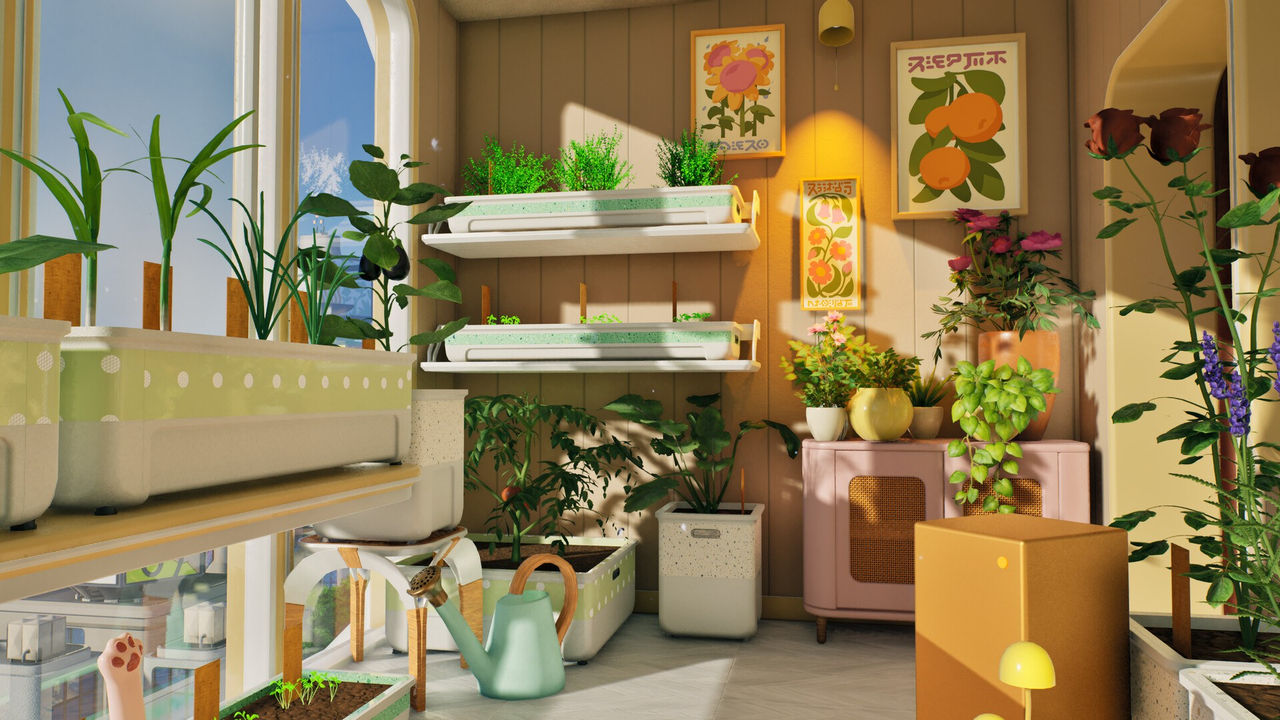
Note that the fan side of the range matters too. Aims and conditions run both ways, so a rooftop position that bakes a plant in one season may need shade or cooling rather than more heat, and the same air conditioners that cool a room are what the developer FAQ lists as the counterpart to heaters.
Light, Shade and Placement
Light is handled the same way temperature is: partly by placement and partly by tools. The developer answer says light depends on where you place the plant, and that you can use shading nets or grow lights to push it up or down. That gives you a second lever when a plant is otherwise in the right temperature band but is stretching or scorching.
- Shading nets reduce light for crops that are getting too much.
- Grow lights add light for crops that need more than the room gives.
- Placement is the free version of both; move the pot before you buy gear.
- Turning on the apartment lights also helps plants brought indoors, per the community thread, but it raises your bills.
Soil: Seven Components and What They Do
Soil is not a single item in Tiny Eden. The developer FAQ says it is built from seven agricultural components — compost, sand, clay, perlite, coco coir, peat and one secret ingredient — and that the mix carries real parameters: NPK and micronutrients, aeration, water permeability and retention, and acidity.
| Soil property | Why it matters |
|---|---|
| NPK and micronutrients | Feed the plant as it consumes nutrients |
| Aeration | How much air the roots get in a dense mix |
| Water permeability and retention | How fast water drains versus how long it stays |
| Acidity | The pH band a crop tolerates |
The walkthrough's practical version of this is to take compost and sand to a planter and fill it in the ratio the specific plant asks for, then plant and water. It also warns against reassigning an existing plant to a new crop, because each pot's soil has already drifted toward what grew in it. Crops additionally face organic degradation, soil-borne diseases, growth hormones and immune boosters, and three fertilizer types — pellet, liquid and aerosol — and you can attract beneficial insects and pollinators.
Weeds, Biomass and Dead Plants
Two maintenance jobs come up constantly. Weeds grow on crops such as strawberries and need a pitchfork to remove; pulling them leaves biomass on the ground, which you should pick up rather than leave. And when a plant dies or wilts beyond saving, the trowel you buy from the shop is the tool that removes it.
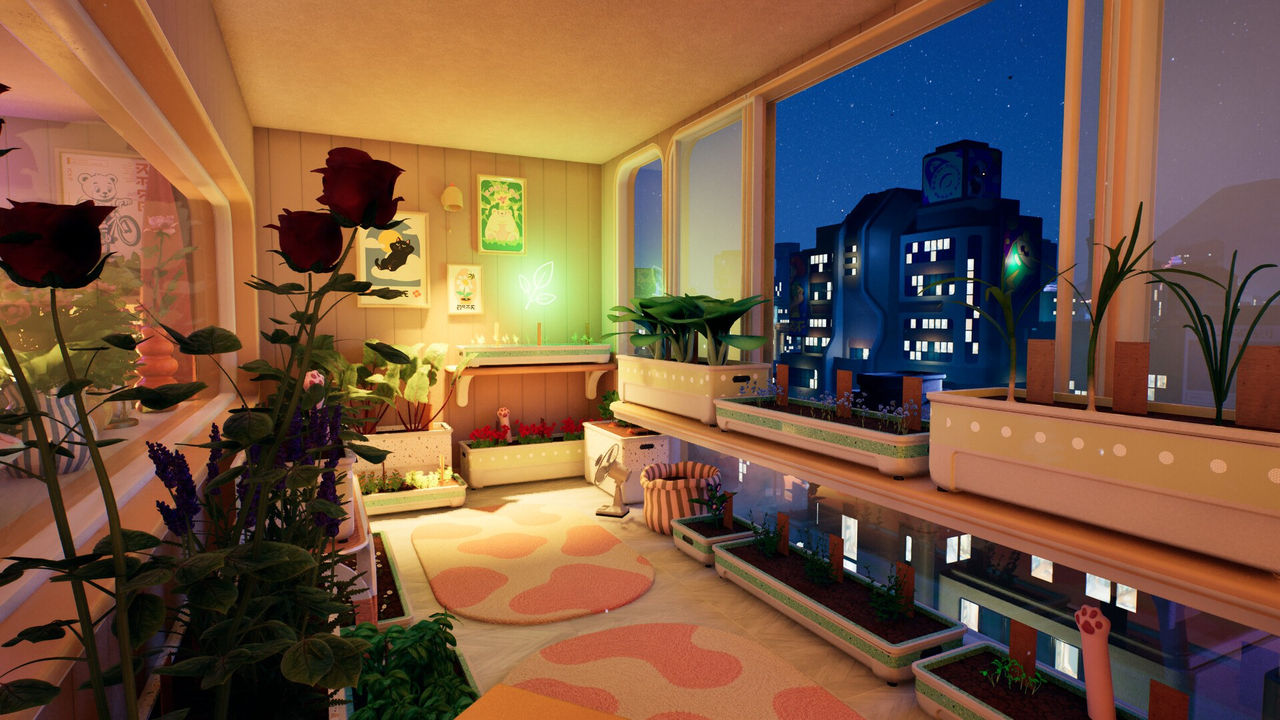
Aim the trowel at the plant or the soil rather than at the planter and hold the left mouse button. Running it over the pot a second time removes the soil as well, which is useful when you want to re-mix that planter for a different crop. For the compost supply itself, your first order in the Atrium pays out compost and new seeds, and orders remain the repeatable source. Super compost, meanwhile, has no documented recipe in the current sources, so treat it as unconfirmed rather than directly farmable. When a plant survives and you want to improve it rather than replace it, the plasmids page explains the lab evolution path, and the building page covers the planters and room keys that give you more soil to work with.
FAQ
How do you warm plants in Tiny Eden?
Temperature is controlled with heaters and air conditioners. The developer FAQ says temperature depends on location and season, and that balconies are warmer than rooftops but colder than indoor rooms. Purchasing heaters is also the first fix the community progression thread gives for crops that go cold after you take them inside for light.
Why do my plants keep getting too cold or too hot?
Because temperature is positional as well as seasonal. A plant that is fine indoors can be cold on the balcony and colder on the roof, and the season shifts the whole range. The developer answer is to control conditions with heaters and air conditioners rather than expecting one spot to work all year.
How do I remove a dead or wilting plant in Tiny Eden?
You need the trowel from the shop; no starting tool does it. Aim at the plant or the soil rather than the planter and hold the left mouse button. Running the trowel over the pot a second time also removes the soil, so you can re-mix it for a different crop.
What should I do with biomass in Tiny Eden?
Pick it up. The credited walkthrough says pulling weeds with a pitchfork leaves biomass behind, and that harvested organic material feeds back into the soil-mixing loop where compost, sand and clay make the mix a crop asks for. No separate biomass crafting recipe is documented.
How do I get super compost in Tiny Eden?
No source in the current material set documents a specific super-compost recipe, so treat the term as unconfirmed. What is documented is that compost arrives as an order reward from your first Atrium customer and is then mixed with sand, clay and other components to build soil.
References
- [FAQ] Start Here – Tiny Eden FAQ Index — Steam Community
- Tiny Eden: Guides, Tips And Walkthrough — Into Indie Games
- Tiny Eden on Steam
- Tiny Eden FAQ — tinyeden.site
Facts on this page are compiled from the references above. Items marked "to confirm" are single-source and not yet verified.