
Olympus 2249 · Getting Started · Guide
Olympus 2249 Walkthrough — From Character Creation to a Stable Start
Olympus 2249 walkthrough: character creation, the first turn-based fights, karma choices, and where the Early Access story stops in Act 1 of 3.
By the New Game Wiki team · Updated 2026-10-08
On this page (9)
- Step 1: Create a Character You Can Actually Play
- Step 2: Learn the Turn-Based Battlefield
- Step 3: Read Karma Before You Commit
- Step 4: Build a Loot and Crafting Habit
- Step 5: Know Where Act 1 Stops
- Where does Olympus 2249 start?
- How should I play the first few hours?
- How long is the walkthrough in the current build?
- Is there a point of no return in Olympus 2249?
Olympus 2249 walkthrough planning is about order rather than a step list, because the developer estimates a run at roughly 3 to 7 hours and there is no published route through it. The reliable sequence is: create a character you can commit to, learn the turn-based battlefield, understand karma before you make weighty choices, build a loot and crafting habit, and then recognize where the Early Access build stops. Specific quest names and map order are not documented yet, so this walkthrough gives you the decisions and the rhythm instead of inventing a checklist.
Step 1: Create a Character You Can Actually Play
The first step is the one that decides everything downstream. At creation you choose a Karmic Type, one of five worldviews that shapes the whole playthrough, and a peaceful specialization from five options, each unlocking new dialogue and new ways to solve problems. The developer states that the role-playing system will not let you build a character who is good at everything, so pick an identity rather than a spread: decide whether your first run solves problems by talking, sneaking, crafting or shooting, and build toward that. Only two Karmic Type names, Moralist and Asshole, are documented, so choose based on the behaviour you want to role-play rather than a published tier list.
Step 2: Learn the Turn-Based Battlefield
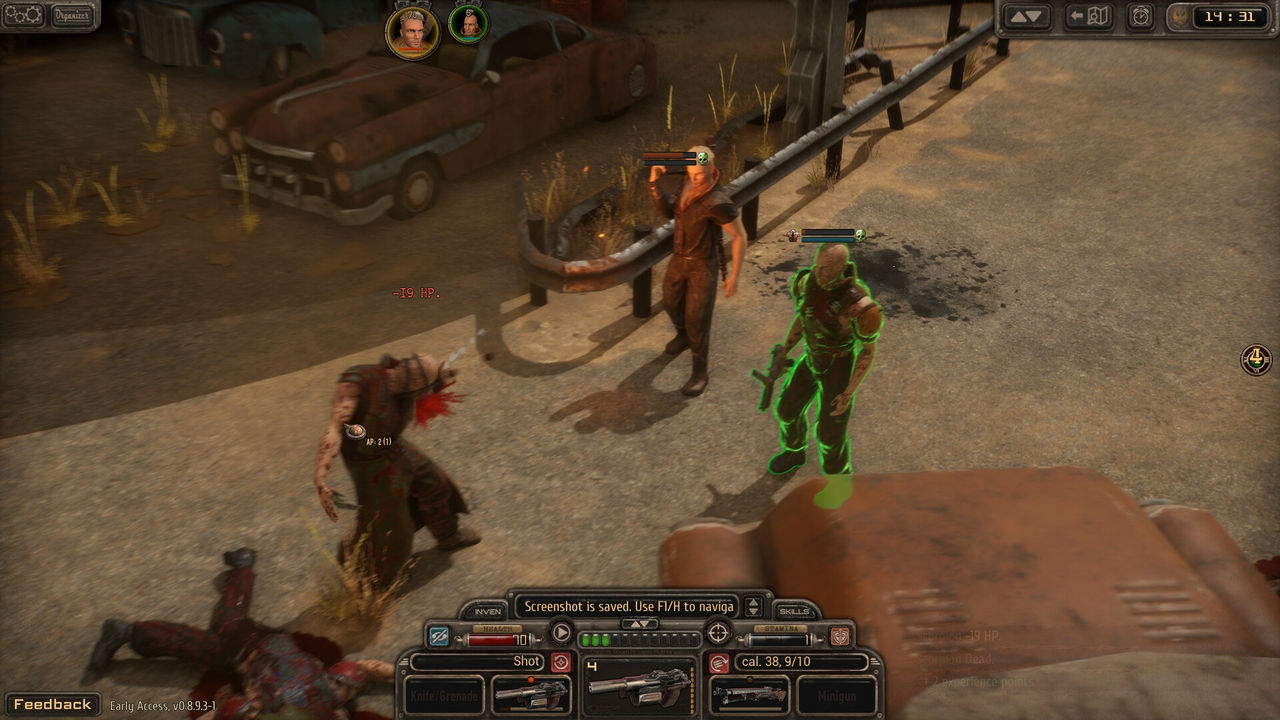
Once you are in the world, spend your first fights learning the rules rather than rushing the story. Combat is turn-based, and the tools that matter are positioning, environmental hazards and limb aiming: you kick fuel barrels into enemies, set oil spills alight, use electricity and traps, aim for arms, legs or the head, and spend Stamina on special abilities. The developer's framing is that hard fights are puzzles with more than one correct solution, so the habit to build early is to read the ground before you act. Difficulty is adjustable and the game is playable without timed input, so there is no penalty for taking your time to learn.
Step 3: Read Karma Before You Commit
Before you make choices you cannot undo, understand the karma system. Your Karmic Type changes how people react to you, and karma drifts with your decisions, so the character who starts the story does not have to be the one who finishes it. The documented consequences are real: a faction can refuse to take you in, a quest can be closed to you, and access to an entire location can be lost. The developer's examples are that a pure good character cannot join the caste of ruthless warriors and a self-centered character cannot take a warehouse manager role. Save before conversations that matter, then commit.
| Step | What to do | Why it matters |
|---|---|---|
| 1 | Choose Karmic Type and specialization deliberately | It gates dialogue, quests and opportunities |
| 2 | Learn hazards and limb aiming | Turns fights into solvable puzzles |
| 3 | Decide your karma direction early | Some choices close factions and locations |
| 4 | Loot, craft and level habitually | Keeps your build supplied as fights get harder |
| 5 | Notice where Act 1 stops | Avoids waiting for an ending that is not there yet |
Step 4: Build a Loot and Crafting Habit
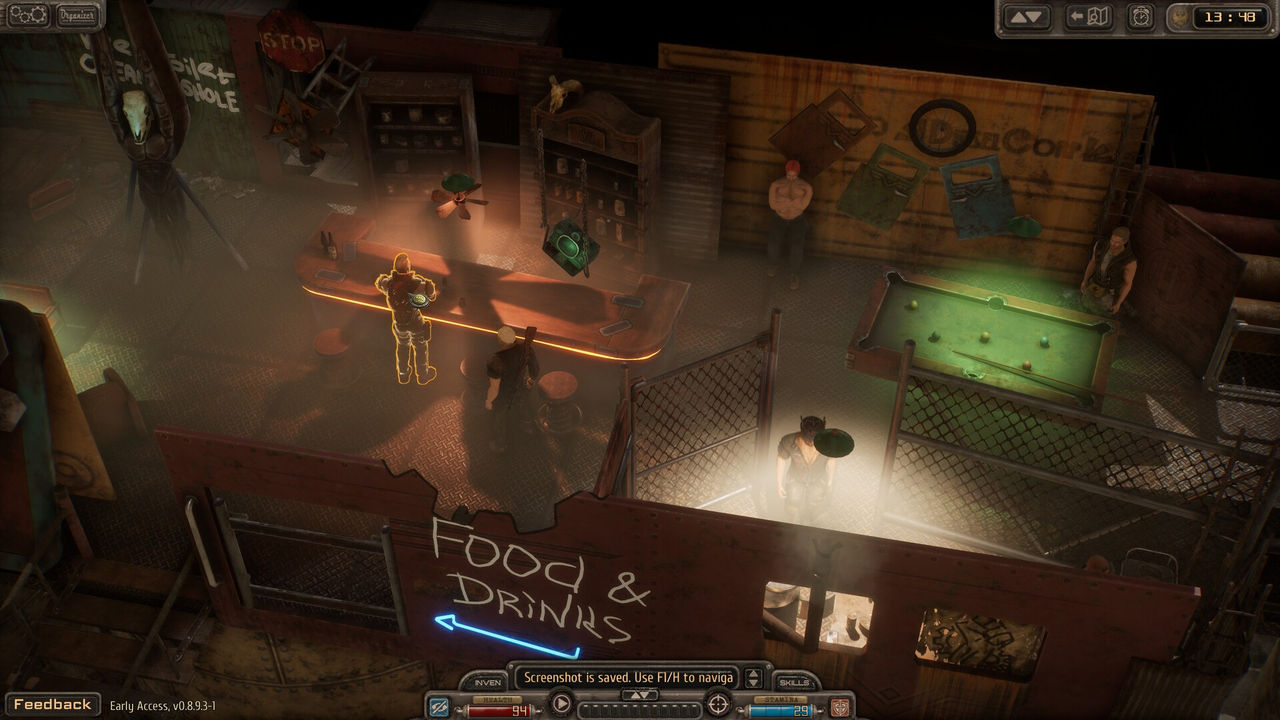
The middle of a run is where the wider systems take over. The build includes crafting, an armor system, dismemberment, stealth, hazardous environments such as radiation and poison zones, a day and night cycle with NPCs on their own routines, and procedural enemy and loot generation for random encounters and raids. The walkthrough advice here is to loot methodically and craft on a rhythm rather than hoarding, because those systems are what keep your character supplied as fights become more demanding. Watch the clock as well, since NPC routines mean the person you need may only be present at certain hours.
Step 5: Know Where Act 1 Stops
The last step is expectation management. The current build contains Act 1 of three planned acts, described by the developer as about a quarter of the story, so the campaign stops well before any conclusion. When you reach that point, the productive move is to start a second character with a different Karmic Type rather than wait for content, because karma and worldview gates mean a different build genuinely unlocks different quests. No dates for Act 2 or Act 3 are published, so treat the wait as open-ended.
To go deeper on the decisions in this route, read the karmic types page, the combat page and the perks page; the act 1 page explains the content boundary, and the guide ties the whole first run together.
FAQ
Where does Olympus 2249 start?
It starts with character creation, where you choose your Karmic Type from five worldviews and your peaceful specialization from five options. That opening decision shapes dialogue, quests and opportunities for the rest of the run, so it is the first thing to get right.
How should I play the first few hours?
Treat the opening hours as a systems tutorial rather than a story sprint. Learn the turn-based combat rules, test stealth and dialogue alternatives, get comfortable with looting and crafting, and settle on an attribute line before you sink perks into a build you will regret.
How long is the walkthrough in the current build?
There is no fixed route to write, because the developer estimates a run at roughly 3 to 7 hours and your build and side quest appetite decide where you land. What is fixed is that the build contains Act 1 of three acts, about a quarter of the story.
Is there a point of no return in Olympus 2249?
Individual choices can be irreversible for a run, since a faction can close itself and a location can become unreachable, but no single end-of-game point of no return is documented. Because the build stops after Act 1, the campaign itself has no conclusion to reach yet.
More in Getting Started
More getting started pages in Olympus 2249.
- Olympus 2249 Guide — Karmic Types, 35 Perks and Turn-Based Combat After Olympus 2207GuideUpdated 2026-10-08
References
Facts on this page are compiled from the references above. Items marked "to confirm" are single-source and not yet verified.