
Echoes of Mystralia · Map · Guide
Echoes Of Mystralia Map Symbols — Room Icons and Route Reading
Echoes of Mystralia map symbols explained: what the room and route icons mean, why they confuse new players, and how to read a path before you commit.
By the New Game Wiki team · Updated 2026-10-04
On this page (8)
- What the Map Symbols Actually Mean
- Reading Routes Without a Legend
- Why the Icons Confuse New Players
- Why are the Echoes of Mystralia map symbols so hard to read?
- What does the orb icon on an Echoes of Mystralia path mean?
- What does a heart icon mean on the Echoes of Mystralia map?
- How do you learn the map symbols in Echoes of Mystralia?
- Are all Echoes of Mystralia map icons worth taking?
Echoes of Mystralia map symbols are deliberately cryptic at first, and that is the single most common complaint in early player feedback. A detailed Steam thread describes the game throwing icons at you on the map and in the rooms without explaining them, so runs turn into guesswork in a genre where every choice is supposed to be tactical. This page gathers what the credited sources do establish about the icons, explains how to read a route before committing, and notes which readings are still unconfirmed.
The map itself is covered by the community wiki, while the icon-reading problems come from a first-hand feedback thread. Because the game does not publish an official legend, treat individual icon meanings as to confirm until you have seen the room type yourself.
What the Map Symbols Actually Mean
The most useful documented examples come from one player's run. On a room that led to a path with an orb icon and another path with an orb icon in front of four characters, the player assumed the four-character version meant more orbs but more enemies, and it turned out to be the merchant's room, which was useless because they had no orbs to spend. On a world path labelled up max HP, the player took a heart icon expecting a reward and found a healing fountain that did nothing because they were already at full health. Those two examples set the tone: icons describe the room type, not the value of the room to you right now.
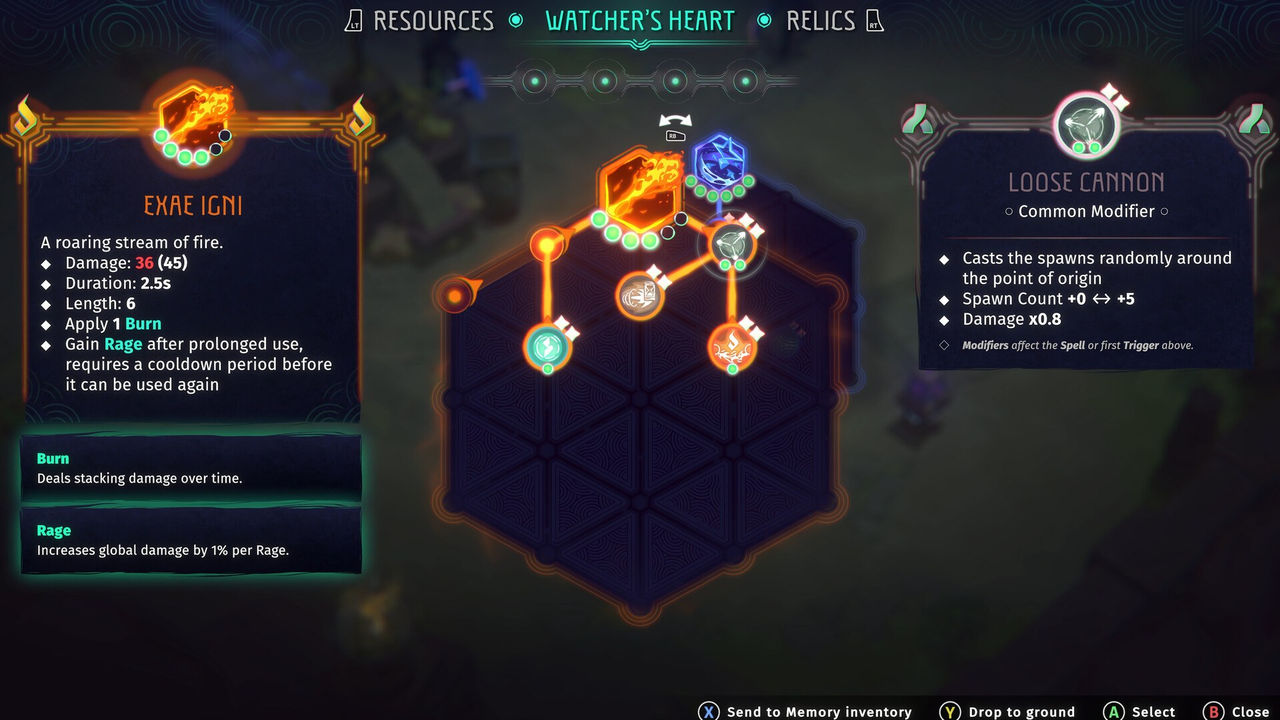
The community wiki confirms the wider systems those rooms feed into. Memories are the source of all magic and are combined, reordered, and enhanced to craft spells, Relics are passive run modifiers, and the Lotus is the permanent progression system accessed from the Azimuth Temple. Currency from rooms and shrines therefore feeds either the current run or the permanent tree, which is why misreading a room wastes more than a single fight.
| Icon seen | What the player expected | What it actually was |
|---|---|---|
| Orb icon in front of four characters | Orb reward room with extra enemies | The merchant's room |
| Heart icon on a max-HP path | A random reward along the path | A healing fountain |
| Currency icons | Unclear until used | Becomes clear once seen in action |
Practical readings that follow from those reports:
- Treat a room icon as a room type, not as a guaranteed reward.
- Do not take a healing room at full health if a reward branch is available.
- Expect merchant rooms to be worthless when you are carrying no currency.
Reading Routes Without a Legend
Because there is no published legend, the working method is to hover and read. A reviewer notes that the overworld does at least tell you what a symbol is when you hover over it, but adds that some icons sound far more important than they turn out to be, and that the damage-type upgrade symbols are stylized enough to take a while to get used to. The same reviewer admits this may be pedantry, but the underlying point stands: the information is available, just not immediately legible.
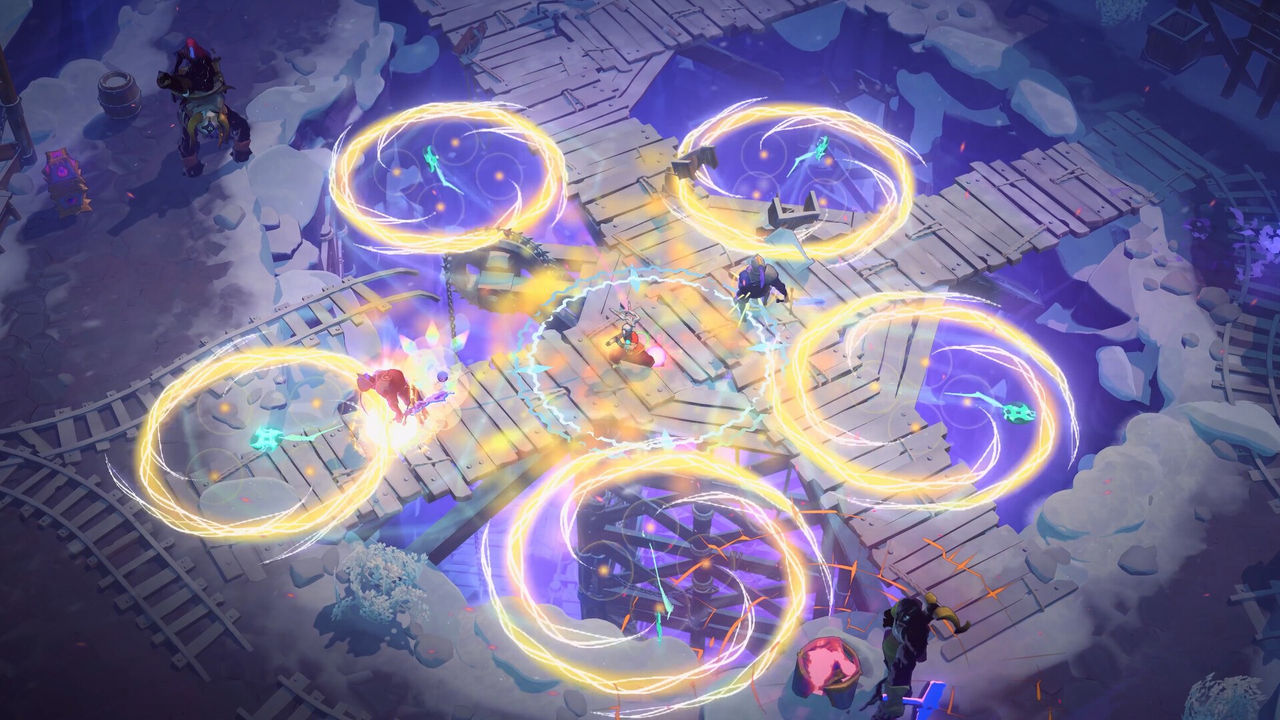
The community wiki supplies the structural context that makes route reading easier. Each run takes place in an evolving world where events, encounters, and rewards vary, so the same icon can appear on very different boards. The demo covers only the first region, the Ash Forest, with four base spells and a first look at the Lotus, while the Early Access build extends to three regions. That means a route you learned in one region will not map cleanly onto the next.
A route-reading routine worth adopting:
- Hover every icon before choosing a branch, especially on an unfamiliar region.
- Decide the branch by what your run needs now, not by what sounds rarest.
- Take recovery when you are already low, and skip it when you are healthy.
- Keep a mental note of which icon produced which room, since the game does not log it for you.
| Route decision | Better choice when healthy | Better choice when low |
|---|---|---|
| Healing room vs reward room | Reward room | Healing room |
| Merchant room with no currency | Skip it | Skip it |
| Unknown branch | Explore to learn | Avoid extra risk |
Why the Icons Confuse New Players
The feedback thread is blunt about the cause: in a roguelite everything is tactical, so going in well, God willing does not work unless the player has chosen a random run on purpose. The same player notes that NPCs talk a lot but do not explain the core gameplay icons, which is why the confusion is so frustrating. Their proposed fix, a discovery list that unlocks as you progress so you can distinguish icons across runs, had not been implemented at the time of writing.
One reply in the thread argues that most roguelikes only give cryptic information about the next room, and that acquiring that knowledge is part of the game, which is a fair counterpoint. Another reply suggests that too many Memories only modify stats and waste slots, which is a build concern rather than a map one, but it shows the same appetite for clearer systems. Until an official legend arrives, the practical answer is to learn by region and to treat every first encounter as reconnaissance. For the broader run structure these routes sit inside, see the gameplay page, and for the puzzle rooms that some branches lead to, see the puzzle page.
The bottom line: hover before you commit, judge a room by your current health and currency rather than by the icon's promise, and mark each new icon as to confirm until you have seen what it actually contains.
FAQ
Why are the Echoes of Mystralia map symbols so hard to read?
A long Steam feedback thread says the game throws icons at you on the map and in rooms without explaining them, so players end up guessing. The same player describes mistaking an orb icon in front of four characters for a high-orb, high-enemy room when it was actually the merchant, and a heart icon for a reward when it was a healing fountain at full health.
What does the orb icon on an Echoes of Mystralia path mean?
In the credited feedback example, an orb icon placed in front of four characters turned out to be the merchant's room, not an orb reward room. Because the icons are not labelled at the time of that thread, the safest reading is that orb icons relate to currency, and merchant rooms are one of the outcomes to confirm.
What does a heart icon mean on the Echoes of Mystralia map?
The same thread describes taking a heart icon on a max-HP path and finding a healing fountain. At full health the room was useless, which is why the player flagged it as an information problem rather than a balance problem.
How do you learn the map symbols in Echoes of Mystralia?
The game explains a symbol when you hover over it on the overworld, and a reviewer notes the symbols for currency become clear once you have seen them in action. The community suggestion in the feedback thread is a discovery list that unlocks as you progress, which had not been added at the time of that post.
Are all Echoes of Mystralia map icons worth taking?
No. The feedback thread warns that some icons sound more important than the reward turns out to be, and that a healing room can be wasted if you arrive at full health. That is why route choice is a resource decision rather than a completion checklist.
References
- Echoes of Mystralia Wiki (Fandom)
- Echoes of Mystralia - Demo's Feedbacks and Feelings (Steam Community)
- Echoes of Mystralia on Steam
- Echoes of Mystralia: Home
Facts on this page are compiled from the references above. Items marked "to confirm" are single-source and not yet verified.