
Echoes of Mystralia · Survival · Guide
Echoes Of Mystralia How To Heal — Fountains, Lotus Nodes and Shields
Echoes of Mystralia how to heal: fountains, the Lotus heal nodes, goddess rooms, relics, shields and lifesteal, plus what each option really costs.
By the New Game Wiki team · Updated 2026-10-04
On this page (8)
- Every Healing Source in Echoes of Mystralia
- The Lotus Healing Nodes and How Players Value Them
- Shields, Lifesteal and Why They Count as Healing
- How do you heal in Echoes of Mystralia?
- Which Lotus nodes should you take for healing?
- How much do healing fountains restore in Echoes of Mystralia?
- Do shields help with survivability in Echoes of Mystralia?
- Is there lifesteal in Echoes of Mystralia?
The Echoes of Mystralia how to heal answer is not one trick but a stack of small ones. The dependable source is the Lotus permanent tree, which can heal you after every encounter and refund health as you spend soulbeads, while fountains, goddess rooms, and relics cover the rest. This page collects the healing options documented by experienced players in the credited Steam thread, separates the reliable from the random, and explains why shields and lifesteal belong in the same conversation as healing.
Most of what follows comes from a single detailed player reply in one discussion thread, so individual numbers are marked to confirm where the thread itself is the only evidence.
Every Healing Source in Echoes of Mystralia
The credited reply lists the full set of ways to recover health, and the spread matters because each one has a different reliability. Fountains and healing rooms are the obvious option, but a reply corrects the common complaint that they restore only 10 health, explaining that fountains heal 10 percent rather than 10 flat, so a larger max health pool makes each fountain stronger. Meetings with the goddess also heal, and events such as the man praying for rain in the Ash Forest can restore health as a route reward. Relics can heal as well, but the same reply calls those random, which is why they are not a plan.
The most reliable source is the Lotus tree, and the reply names two node types that carry most of the weight: five nodes that heal 1 percent after every encounter, and a major node that heals 20 percent of the soulbeads you spend. The second one is the standout because spending soulbeads on Memories is something you are doing anyway, so the heal arrives without costing you a detour. The same reply notes that fountain healing itself can be upgraded through the meta progression, which means an early impression of weak healing can improve as the tree fills in.
| Healing source | Reliability | Notes from the thread |
|---|---|---|
| Lotus heal nodes | High | Five 1 percent per-encounter nodes, plus 20 percent of soulbeads spent |
| Healing fountains | Medium | Heal 10 percent of max health, upgradable via meta progression |
| Goddess meeting rooms | Medium | Named as a heal room type |
| Ash Forest rain event | Medium | Named as a heal event |
| Relics | Low | Called random by the same player |
A sensible priority order for a struggling run:
- Buy the 1 percent per-encounter Lotus nodes before cosmetic upgrades.
- Take the 20 percent of soulbeads spent node once you are regularly buying Memories.
- Treat fountains as a top-up, not as a rescue.
- Do not build a run around relic healing, because the same source calls it random.

The Lotus Healing Nodes and How Players Value Them
The debate in the thread is worth reading because it shows why healing feels scarce. The original poster argues that healing rooms giving a small amount is a punishment in a bullet-hell fight, and asks why the first act boss rewards such a small heal. Replies push back from two directions. One says that if you could heal reliably you would beat the game on your first run, and compares it to bullet-hell games like Touhou that give no health at all, framing the design as mastering the early sections so you have health to learn the later ones. The other direction is practical rather than philosophical: the game does have many healing options, and the players who feel starved are often not using them.
The practical replies are the useful part. Beyond the Lotus nodes already listed, players mention little statues that appear randomly, and seem somewhat more likely in fountain rooms, which when struck with the damage type they indicate give random element Memories to choose from. That is a Memory reward rather than a heal, but it belongs in the same conversation because more Memories means a stronger spell, and a stronger spell means less damage taken. The thread also notes the game offers a difficulty slider shaped like settings rather than a menu, which is a fair way to describe the accessibility options.
| Player position | Argument in the thread |
|---|---|
| Healing is too weak | Small heals punish players who already dodged most attacks |
| Healing is fine | Reliable healing would trivialize a roguelite built on repetition |
| Healing is available | Lotus nodes, fountains, goddess rooms, events and relics all heal |
| Healing is optional | Strong builds and shields can carry a run without any healing |
Two habits from the thread that reduce how often you need healing:
- Spend soulbeads on Memories rather than hoarding them, because the heal-on-spend node converts shopping into recovery.
- Strike the random statues with the indicated damage type to keep your Memory pool growing.
Shields, Lifesteal and Why They Count as Healing
The most useful reply in the thread reframes survivability entirely. It points out that shields are permanent until they are depleted, that the Lotus tree has nodes to gain shields after every encounter, and that you can begin a run already holding some. Relics can add shield chance when you defeat enemies, and some relics prevent damage for a period of time, which rewards aggressive play by letting you reduce incoming damage while you push. None of that shows up as a green number, but it does the same job as healing.
Lifesteal is the other offensive answer. A player in the thread linked a separate community guide and confirmed that lifesteal on spells exists, which means a build can recover health by dealing damage instead of leaving the fight. That fits the official framing of the game, where the official site describes the spellcrafting system as a way to continually refine your fighting tactics and choose attack or retreat each round. Between shields, lifesteal, and the Lotus nodes, a well-built run often needs fewer fountains than a new player expects, which is exactly the counterargument the thread's experienced players make.
For the surrounding run structure, the gameplay page covers how healing rooms compete with reward rooms on the map, the builds page covers the Lotus spending order in more detail, and the spells page lists the offensive options that make lifesteal worth chasing.
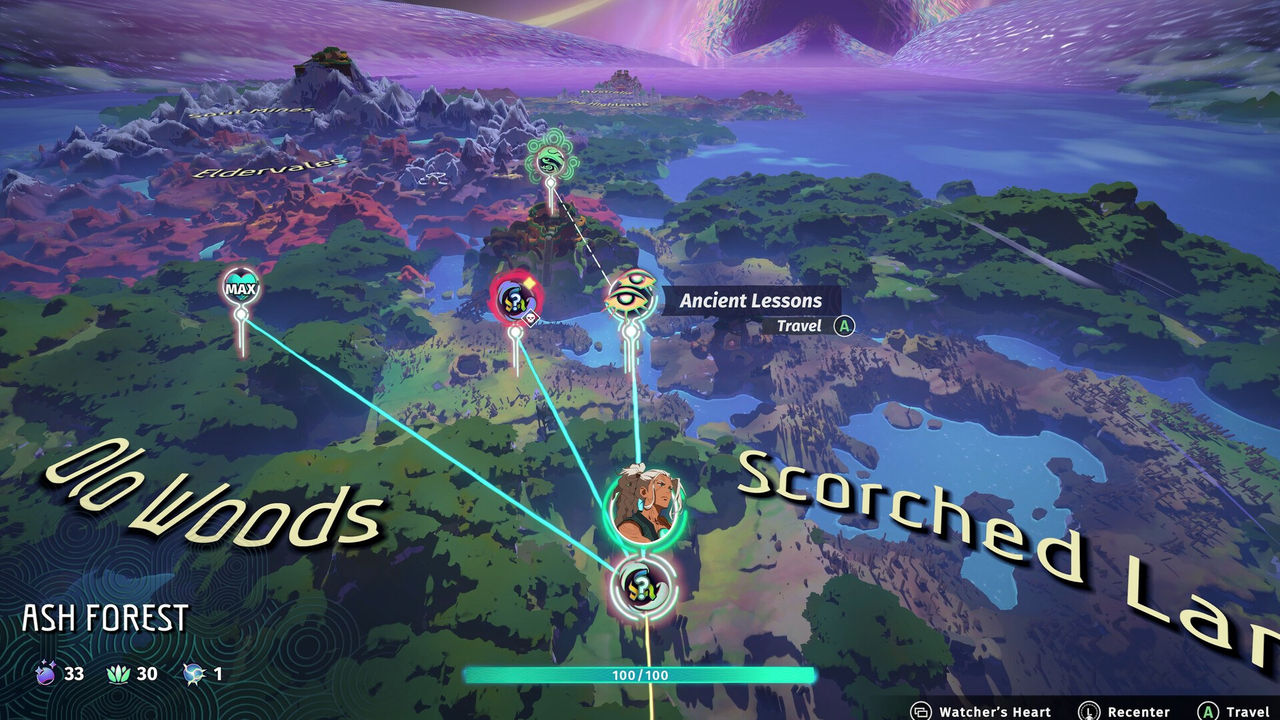
In short: lean on the Lotus heal nodes first, treat fountains as a percentage top-up that scales with max health, and count shields and lifesteal as part of the same survivability plan.
FAQ
How do you heal in Echoes of Mystralia?
The reliable options listed by experienced players are the Lotus skill tree nodes, healing fountains, rooms where you meet the goddess, certain events such as the man praying for rain in the Ash Forest, and relics that heal. The most dependable of these is the Lotus tree, because it applies across every run rather than relying on a lucky room.
Which Lotus nodes should you take for healing?
One detailed reply names five 1 percent heal after every encounter nodes as the dependable backbone, plus a major node that heals 20 percent of the soulbeads you spend. That second node is valued because it heals while you are already buying Memories for your spells, so it pays you back for normal play.
How much do healing fountains restore in Echoes of Mystralia?
The original complaint in the thread calls them 10 hp recovery, and a reply corrects that to a percentage: fountains heal 10 percent, not 10 flat, so raising your max health also raises the heal. The same reply says fountain healing can be upgraded through the meta progression.
Do shields help with survivability in Echoes of Mystralia?
Yes, and they are underrated. A reply points out that shields are permanent until depleted, that the Lotus tree can grant shields after every encounter or at the start of a run, and that some relics add shield chance on kills or temporary damage reduction for aggressive play.
Is there lifesteal in Echoes of Mystralia?
Yes. A player in the healing thread linked a separate guide and confirmed lifesteal on spells is available, which gives an offensive build a way to recover health without leaving combat. The exact modifier name and numbers are not documented in the thread, so treat the details as to confirm.
References
- Rework Healing! :: Echoes of Mystralia General Discussions (Steam Community)
- Echoes of Mystralia on Steam
- Echoes of Mystralia: Home
- Echoes of Mystralia Healing Guide (Steam Community guide)
Facts on this page are compiled from the references above. Items marked "to confirm" are single-source and not yet verified.