
Way of the Hunter 2 · Game Guides · Guide
Way Of The Hunter 2 Beginners Guide — The Seven First Moves
A Way of the Hunter 2 beginners guide built around the seven first moves: finish missions, protect your money, read herds, map your zones, and use the dog.
By the New Game Wiki team · Updated 2026-10-04
On this page (10)
- The First Seven Moves
- Spend Your Early Money Wisely
- Read the Herd Before You Shoot
- Build Your Map and Use the Dog
- Difficulty and Settings Notes
- What should a new player do first in Way of the Hunter 2?
- Should I buy gear as soon as I unlock it?
- Why should I not shoot every one-star animal?
- What does the dog do for beginners?
- How should I move near animals?
The fastest way to start Way of the Hunter 2 is to treat your first hours as setup, not as a trophy run. A launch-window tips video made with the developers, "7 Things You Should Do FIRST in Way of the Hunter 2," lays out the order clearly: do your missions, protect your money, learn herd management, build out your map, use your dog, understand your weapons and ammo, and slow down. This beginner's guide turns those seven points into a usable plan and adds the systems the official Nine Rocks Games FAQ confirms, such as the 13 species available at the Early Access launch and the three difficulty levels present at release.
The First Seven Moves
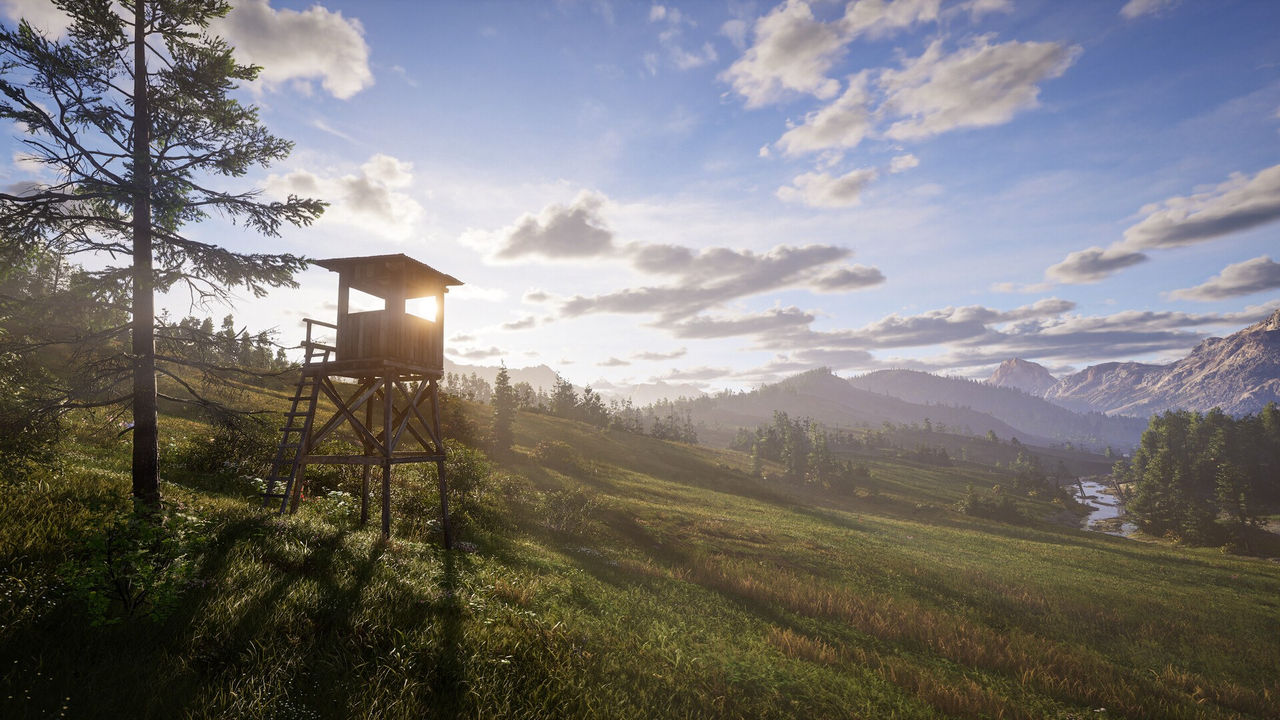
Missions are the spine of a new save. The video's host notes that missions pay both experience and money, and that early money is what eventually funds better weapons, better optics, suppressors, a shooting stick, and habitat improvements. Missions also teach the map, so you are leveling and exploring at the same time instead of wandering with no objective. Even if you would rather vanish into the woods with a rifle, keeping one mission active while you hunt is the efficient path: you gain experience, earn cash, discover new areas, and fight animals in the same trip. The same logic applies to your first purchases, which is why the second move is to avoid spending money the moment you unlock something.
Spend Your Early Money Wisely
Early money is better spent on things that make you a more effective hunter than on novelty. The video's host separates useful gear from the traps he fell into himself, including buying bridge repairs he did not need because he traveled on foot.
| Priority | Buy | Skip for now |
|---|---|---|
| High | Better rifle, good scope, shooting stick | Cosmetic or experimental weapons |
| Medium | Suppressor, traveling tent | Bridges if you hunt on foot |
| Situational | Habitat and population improvements | Every unlock the store offers |
- Upgrade the optic early. A clearer scope pays off on every shot and helps you judge animals before you commit.
- A shooting stick steadies long shots, and a suppressor spooks fewer animals when you fire.
- A traveling tent helps when you find a good area with no fast travel nearby.
- Habitat improvements are worth saving for, but you do not need to buy every one you walk past.
Read the Herd Before You Shoot
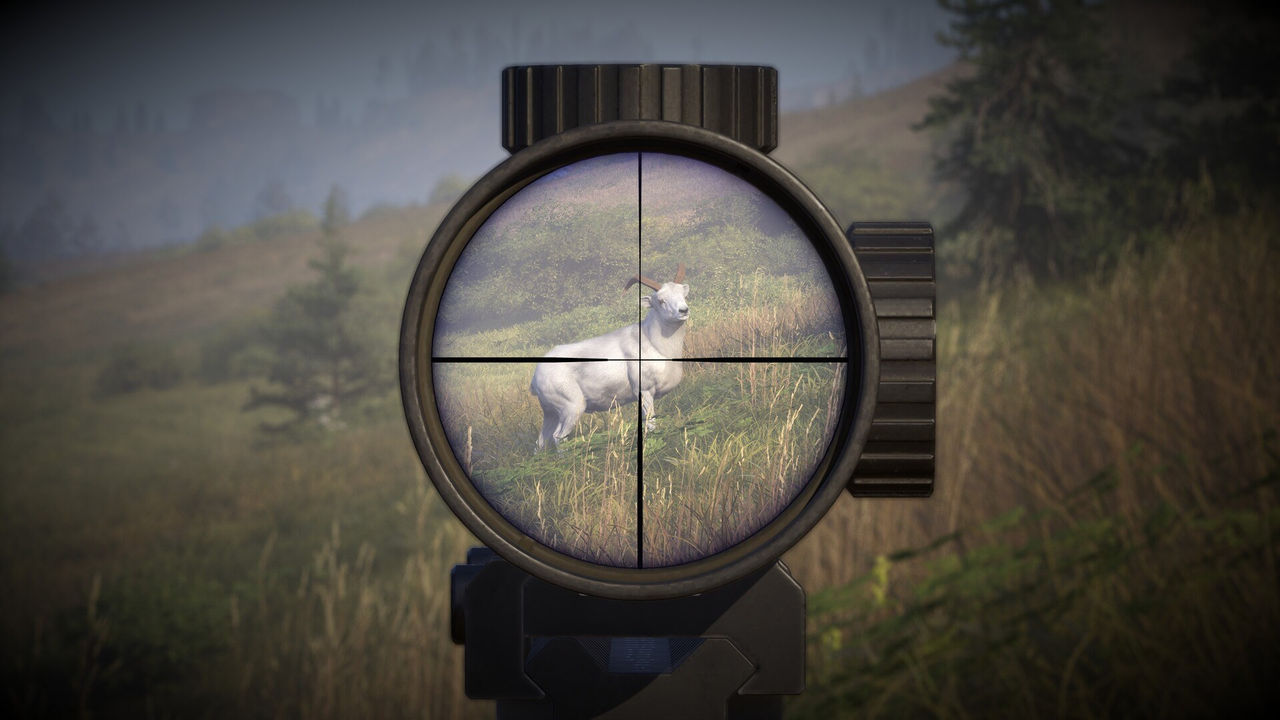
The single biggest beginner mistake, according to the video, is judging an animal by its star rating alone. Stars describe where the trophy currently sits, fitness describes the animal's genetic potential, and age describes how long that animal has had to develop toward it. A young one-star animal can carry excellent fitness and simply need more in-game years. The practical approach is to remove low-fitness animals and give the better genetics more room, while leaving promising young animals alone to see what they become. This is not documented as a hard numeric rule by the developers, so treat specific cutoffs from any single player as a rule of thumb to confirm rather than a proven formula.
Build Your Map and Use the Dog
Exploring is a real activity in Way of the Hunter 2, not downtime. As you move through the reserve you are finding feeding, drinking, and resting zones, animal signs, points of interest, and fast-travel locations, and you are slowly learning where each population spends its time. That map knowledge is what turns a random encounter into a planned hunt. The official FAQ adds that tracks are dynamically created between need zones, and that spooked animals can leave temporary dynamic tracks across the map, so fresh sign matters. Your dog supports all of this: the FAQ says it searches for animal signs, helps locate active life zones, and follows blood trails after a hit. It improves through bonding and use, so bringing it along from the start is how you turn it into a reliable tracker.
Difficulty and Settings Notes
Three difficulty levels exist at launch, and the FAQ notes that the developer expects to add more presets later. Several settings are worth knowing before your first session.
| Setting or system | Status at launch |
|---|---|
| Difficulty levels | Three available, more planned |
| Controls | Keyboard and mouse customizable; controller layouts are not |
| Ultrawide support | Supported, minor launch issues acknowledged |
| Offline play | Fully playable offline |
| Crosshair and Hunter Assist | Customizable, information can be toggled or turned off |
Finally, the most repeated beginner advice is the simplest: slow down. Walk rather than run when you are near your target, watch the herd before you pick an animal, and accept that a quiet, patient approach beats a fast one. For the deeper systems behind this plan, continue to the herd management guide, the animal list, and the maps page.
FAQ
What should a new player do first in Way of the Hunter 2?
A dedicated launch-window tips video recommends doing missions first, because they pay both experience and money that you need for better weapons, optics, a shooting stick, and suppressors, while also teaching you the map.
Should I buy gear as soon as I unlock it?
No. The same video warns that early money is scarce and that buying every unlock wastes it on items you may never use, such as bridges you do not need if you travel on foot. Prioritize a better optic, rifle, and shooting stick instead.
Why should I not shoot every one-star animal?
Because stars show where a trophy is in its development, while fitness shows its potential and age shows how long it has had to grow. A young one-star animal can still carry excellent genetics, so shooting it can remove a future trophy from the herd.
What does the dog do for beginners?
Per the official FAQ, the dog searches for animal signs, helps locate active life zones, and tracks wounded animals by following blood trails. It grows more obedient and reliable through bonding and use, and players can name it.
How should I move near animals?
Slowly. The approach video notes that sprinting or driving into an area spooks the herd, so walk rather than run, listen for warning calls, and only close the distance once you have watched the animals first.
More in Game Guides
More game guides pages in Way of the Hunter 2.
- Way Of The Hunter 2 Guide — Maps, Species, and Core SystemsGuideUpdated 2026-10-04
- Way Of The Hunter 2 Tips — Stealth, Sound, and Smart SpendingGuideUpdated 2026-10-04
- Way Of The Hunter 2 Trophy Guide — Steam Achievements and CompletionIndexUpdated 2026-10-04
- Way Of The Hunter 2 Walkthrough — Missions, NPCs, and ProgressionGuideUpdated 2026-10-04
References
- 7 Things You Should Do FIRST in Way of the Hunter 2
- Way of the Hunter 2: FAQ (Nine Rocks Games)
- Beginner's Guide to Hunting in Way of the Hunter
- Way of the Hunter 2 - Part 1 - The Beginning
- Way of the Hunter 2 on Steam
Facts on this page are compiled from the references above. Items marked "to confirm" are single-source and not yet verified.