
Way of the Hunter 2 · Wildlife · Guide
Way Of The Hunter 2 Animal List — Confirmed Species by Map
The Way of the Hunter 2 animal list by map, with the 13 Early Access species, the 12 Kilimaya Reserve additions, and how tiers, stars, and fitness work.
By the New Game Wiki team · Updated 2026-10-04
On this page (10)
- How Many Animals Are in the Game Right Now
- New Laurentia's Launch Species
- Kilimaya Reserve's Species Additions
- Tiers, Stars, and Fitness Explained
- What Is Planned Beyond Launch
- How many animals are in Way of the Hunter 2?
- How many species came with the Africa map?
- What does an animal's tier mean?
- How are animal trophies rated?
- What is the difference between primary and secondary habitat?
Way of the Hunter 2 launched with 13 huntable species and has been adding more with each content update. The official Nine Rocks Games FAQ lists the 13 species available at the Early Access launch and says around 30 species are planned across all maps by the full release; the Kilimaya Reserve update then added twelve more species for the African map, per the THQ Nordic announcement. That makes the roster a moving target, so the lists below are grouped by map and tied to the update that introduced them rather than presented as a final count.
How Many Animals Are in the Game Right Now
The authoritative starting point is the official FAQ, which names 13 species for the Early Access launch and describes the roster as still growing. It also notes that more species are planned during Early Access, and that the full release targets around 30 across all maps. The Kilimaya Reserve announcement adds twelve African species on top of that launch list. Because there is no single official "current total" figure published for the 1.0 build, treat the sum of these lists as map-by-map documentation rather than a guaranteed present-day count.
New Laurentia's Launch Species
These are the 13 species the official FAQ lists for the Early Access launch, most of which belong to the North American-inspired New Laurentia map.
| Species | Notes |
|---|---|
| American wolverine | A low-population predator; habitat-wide management applies |
| Grizzly bear | Large predator; pair with a suitable weapon tier |
| Dall sheep | Mountain-dwelling species |
| Eastern wild turkey | Bird species; calls and decoys are relevant |
| Northwestern gray wolf | Predator species |
| Mallard | Waterfowl; blinds and decoys help |
| Western moose | Big game on the North American map |
| White-tailed ptarmigan | Small upland bird |
| Rocky Mountain elk | Featured in an early mission thread |
| Rocky Mountain mule deer | Common deer species |
| Snowshoe hare | Small game species |
| Northern white-tailed deer | Core deer species for herd management |
| Wood bison | Large plains species |
Kilimaya Reserve's Species Additions
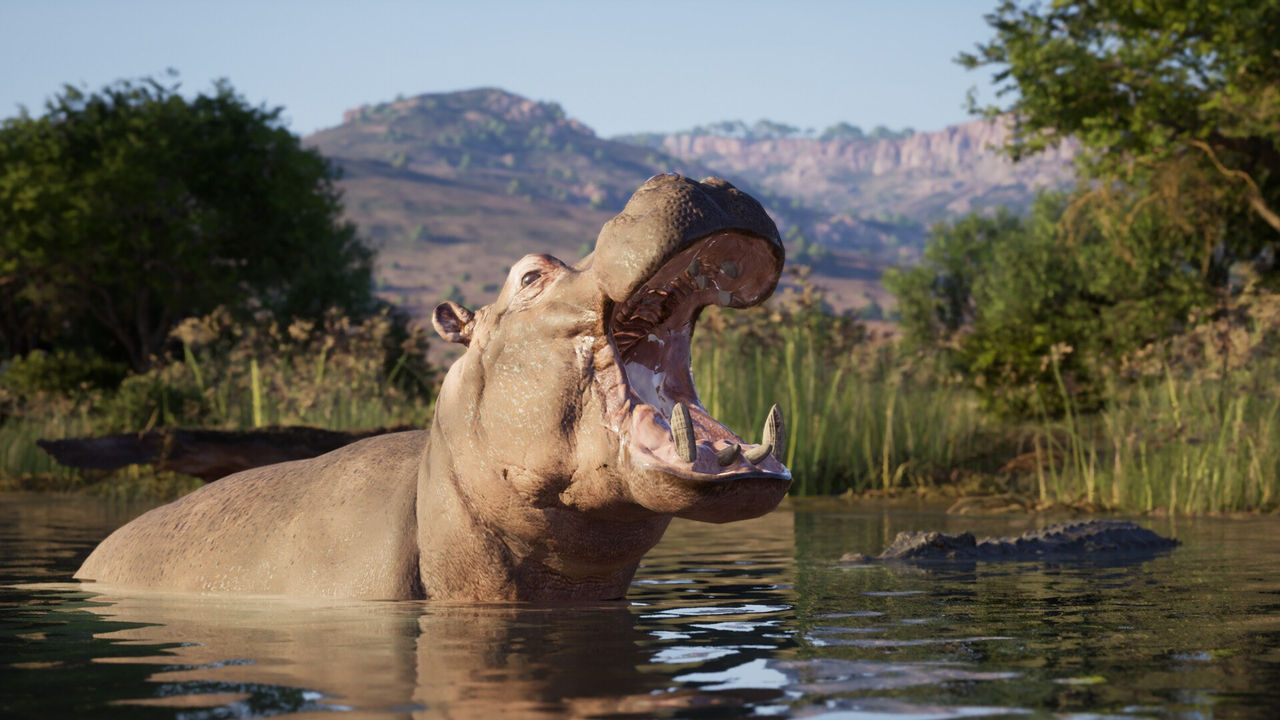
The Africa map arrived with Early Access Update 2 and brought twelve new species, along with anatomically accurate male and female models.
| Species | Species |
|---|---|
| Greater kudu | Cape mountain zebra |
| Blue wildebeest | Common hippopotamus |
| Nile crocodile | Cape honey badger |
| Spotted hyena | Southern lion |
| Blesbok | South African ostrich |
| Cape African buffalo | Southern yellow-billed duck |
Tiers, Stars, and Fitness Explained
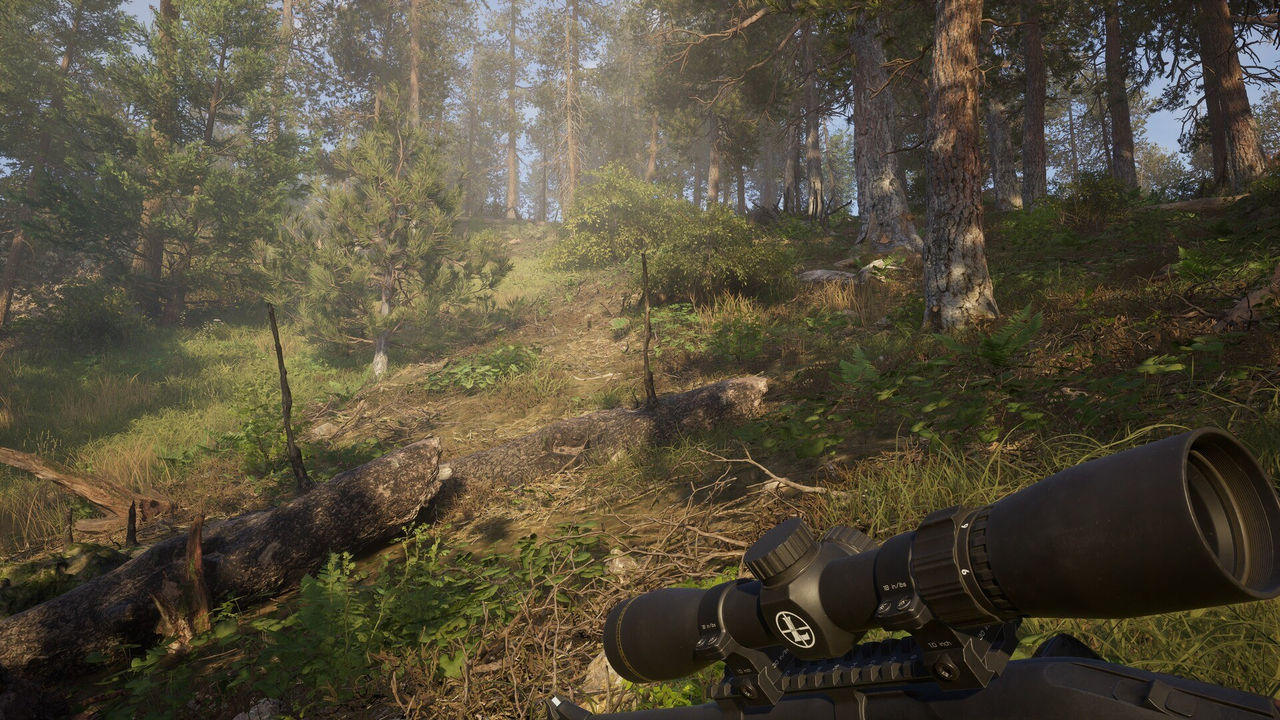
Understanding the rating systems is what separates a random hunter from one who grows five-star trophies.
- Tier — every animal sits in a tier that should match your weapon tier; matching keeps the kill ethical and protects the meat and trophy.
- Hit energy — each animal has a recommended hit energy, which is a sign of the weapon power that drops it cleanly.
- Stars — trophies are rated from one star to five stars, per the Fandom wiki.
- Fitness — the animal's genetic potential, which determines how high it can score as it matures.
- Age — how long an animal has had to develop toward its fitness ceiling.
- Habitat — animals in their primary habitat tend to have higher fitness than those in secondary habitat.
The Fandom wiki's herd-management notes add that fitness is influenced on three levels: the individual animal, the average of its herd, and the average of the whole habitat. That is why culling weak animals across an area can matter more than shooting a single herd.
What Is Planned Beyond Launch
The roster is explicitly designed to grow. The official FAQ states that more species will be added during Early Access, that around 30 are planned by the full release, and that trophy generation is still being expanded, including features like non-typical trophies. New environments are planned for future updates as well, though the FAQ cautions that building a new map can take over a year of work. For now, the practical move is to learn the tiers and habits of the documented species on each map, then check the maps page and Africa page as new content lands. For the systems that raise trophy quality, see the herd management guide and the best weapons page.
FAQ
How many animals are in Way of the Hunter 2?
The official FAQ lists 13 species available at the Early Access launch, with around 30 species planned across all maps by the full release. It also says more species will be added during Early Access.
How many species came with the Africa map?
The THQ Nordic announcement for the Kilimaya Reserve says Early Access Update 2 introduced twelve new animal species, including greater kudu, Nile crocodile, common hippopotamus, southern lion, and Cape mountain zebra.
What does an animal's tier mean?
In the Way of the Hunter series, each animal is assigned a tier that should match your weapon tier for an effective, ethical hunt. Matching too high a tier can ruin meat or damage a trophy, while too low a tier may fail to penetrate.
How are animal trophies rated?
The Fandom wiki says animal trophies are rated from one star to five stars, and the official FAQ says trophies in this game are procedurally generated rather than preset variations. Fitness, age, and habitat all feed into how good a trophy can become.
What is the difference between primary and secondary habitat?
The Fandom wiki explains that animals have a primary and a secondary habitat, and that animals in their primary habitat generally have higher fitness because the habitat is more ideal for them.
More in Wildlife
More wildlife pages in Way of the Hunter 2.
- Way Of The Hunter 2 Africa — Kilimaya Reserve GuideGuideUpdated 2026-10-04
- Way Of The Hunter 2 Herd Management Guide — Fitness and CullingGuideUpdated 2026-10-04
- Way Of The Hunter 2 Maps — New Laurentia, Kilimaya, and Map ToolsGuideUpdated 2026-10-04
References
- Way of the Hunter 2: FAQ (Nine Rocks Games)
- Bless the Rains Down in Africa (THQ Nordic)
- Animals | Way Of the Hunter Wiki - Fandom
- Way of the Hunter 2 on Steam
Facts on this page are compiled from the references above. Items marked "to confirm" are single-source and not yet verified.