
The Crimson Hunt · Mechanics · Guide
The Crimson Hunt Tips — Light Discipline, Ammo and Co-op Habits
The Crimson Hunt tips for the opening hours: light discipline, ammo rationing, safe puzzle habits and co-op roles that save the most time on a first run.
By the New Game Wiki team · Updated 2026-10-08
On this page (10)
- Treat the Light as Ammo
- Spend Bullets Like They Are Finite
- Search Before You Force a Door
- Co-op Habits That Save Time
- What Not to Do in the Opening Hours
- What should I do first in The Crimson Hunt?
- How do I save ammo in The Crimson Hunt?
- Should I search rooms or rush in The Crimson Hunt?
- What is the best co-op setup in The Crimson Hunt?
- What mistakes do new players make in The Crimson Hunt?
The Crimson Hunt rewards patience and punishes impatience, and the official material is specific about which habits it is testing: light is vital, ammunition is scarce, healing is scarce, and every encounter matters. These tips are built only from what the store description, the walkthrough dialogue, the demo patch notes and the developer's news posts actually say, so nothing here is guesswork about systems the game has not documented.
Treat the Light as Ammo
The single highest-value habit is to stop treating the light as a torch and start treating it as your free weapon. The walkthrough has Victoria explain that the creatures are sensitive to UV radiation because of their physiology, that the light blinds and weakens them, and that the beam should be kept on the head so the pair can finish an enemy off. That explanation is a single-source detail, so treat the exact behaviour as to confirm, but the habit it implies is safe: flash first, shoot second.
- Do: aim at the head, hold the beam while your partner moves, and let the light create the opening.
- Why: the store page calls light vital while ammunition is scarce, so one of the two is effectively unlimited.
- When: before every shot, not as a fallback after the fight has started badly.
Spend Bullets Like They Are Finite
Ammunition is the resource the game is built to ration, and the store description is blunt that every encounter matters. The practical version of that is to ask a question before each fight: can I walk past this, can I stun it, can I light it and leave? The developer's co-op note shows the intended pattern by giving the second character passive tools that stun enemies or help avoid combat, which is the game telling you that not shooting is a supported answer rather than cowardice. Hallways that look like they exist to hold one enemy are exactly where a second one is waiting.
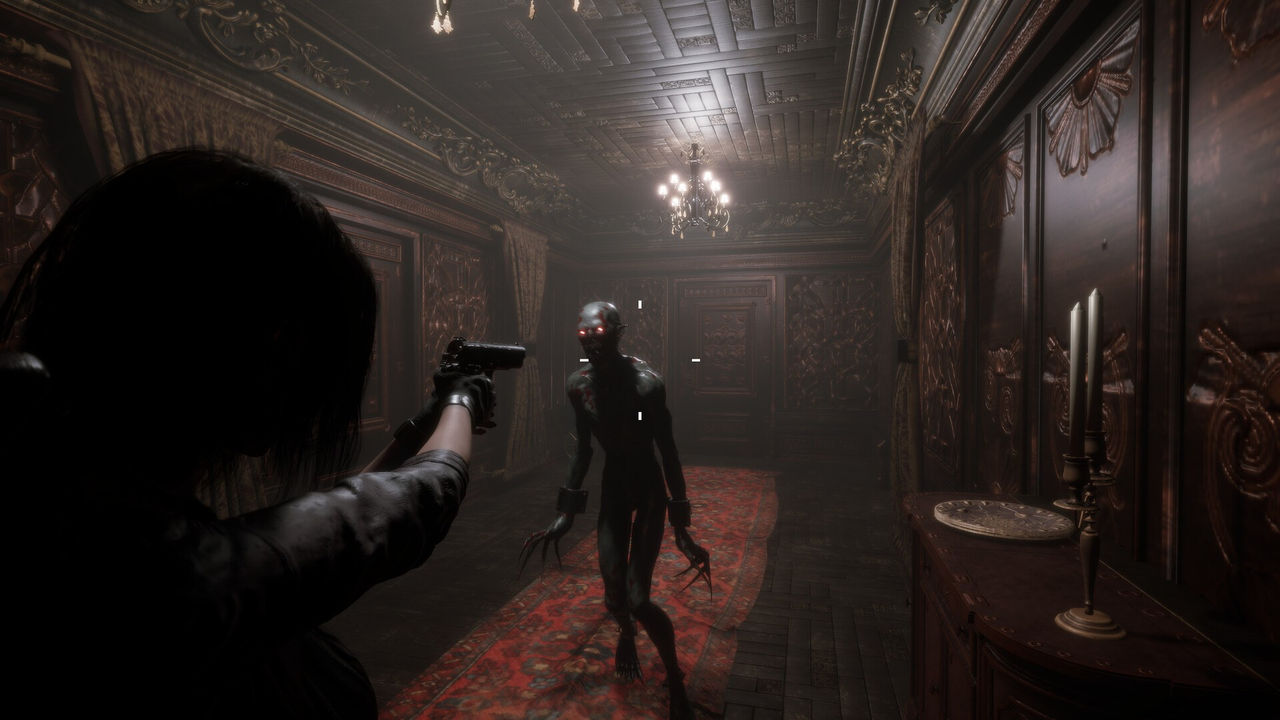
Healing deserves the same discipline. The store description says healing is scarce and every item counts, so the sensible rule is to bank it for rooms with a mechanism or a boss-scale threat rather than for a corridor fight you could have avoided. The same logic applies to inventory: the store calls smart management the difference between life and death, which reads as a warning against carrying duplicates of one weapon instead of tools.
Search Before You Force a Door
Puzzle progress in this game is usually a room you skipped rather than a key you are missing. The store description says observation and exploration are what solve the environmental puzzles, and the walkthrough reinforces it with doors that only open from the outside, which Eleanor tests and Victoria answers by exploring rather than backtracking. The 7 October hotfix added a clearer clue for the safe puzzle, which tells you the developer considers readable clues part of the design and that the answer is usually in the same wing as the mechanism.
- Yes: sweep the wing for the clue or route, then return to the lock.
- Also yes: read the surrounding objects, because the clue is meant to be observed rather than bought.
- No: grind against a locked door hoping it opens, since outside-only doors are a routing instruction.
Co-op Habits That Save Time
If you are playing local split-screen, the role split matters more than raw damage. The developer's launch post says there are no weapon restrictions based on character and that the second character can equip any weapon while also getting passive tools that stun enemies or avoid combat, so the efficient pair is one player creating windows and the other cashing them in. Because the single-player companion already shines her flashlight wherever you aim with the right mouse button, any habit you build with that AI partner transfers straight to a human second player.
What Not to Do in the Opening Hours
Four mistakes account for most early frustration. Do not stand in the open during a fight, because the store description says encounters demand positioning and that dodging and blocking are both available answers. Do not spend bullets on an enemy the light would have handled. Do not rush past side rooms, because locked doors and scarce healing punish skips. And do not assume the opening wing is representative: the walkthrough moves from mansion corridors into catacombs where solving a puzzle wakes the guardians, so the difficulty curve steps up rather than staying flat.
For the systems behind these habits, the gameplay and weapons pages explain the loop and the tools, the puzzles page covers the locks, and the co-op page covers the two-player split in full.
FAQ
What should I do first in The Crimson Hunt?
Get the light habit right before anything else. The walkthrough has Victoria explain that the creatures are sensitive to UV radiation and that the beam should be kept on an enemy's head so the pair can finish it off, and the store page separately treats light as vital while ammunition is scarce. Aiming the light first and shooting second is the single change that saves the most resources.
How do I save ammo in The Crimson Hunt?
Treat every enemy as a choice rather than an obstacle. The store description says ammunition is scarce and every encounter matters, and the developer's co-op note gives the second character passive tools that stun enemies or help avoid combat, which is the intended example: use light, stuns and routing before bullets, and never spend a shot to confirm an enemy you could have walked past.
Should I search rooms or rush in The Crimson Hunt?
Search. The store description says observation and exploration are what solve environmental puzzles, and the walkthrough shows locked doors that only open from the outside, which turns a blocked route into a signal that you missed a room. Because healing is scarce as well, a slow first pass through a wing usually pays for itself twice.
What is the best co-op setup in The Crimson Hunt?
Give the second player the utility role. The developer's launch post says the second character can equip any weapon but also gets passive tools that stun enemies or avoid combat, so the pair gains more from one player creating windows than from both players holding triggers. It is local split-screen, so whoever is better at reading rooms should be the one scouting.
What mistakes do new players make in The Crimson Hunt?
The recurring ones the official material warns against are standing still in a fight, spending bullets on enemies that a light flash would have handled, and forcing a locked door instead of re-searching the wing. The store description's line that smart inventory management is the difference between life and death also points at the fourth mistake, carrying duplicates of one weapon instead of tools.
More in Mechanics
More mechanics pages in The Crimson Hunt.
- The Crimson Hunt Co Op — Local Split-Screen, Roles and Remote PlayGuideUpdated 2026-10-08
- The Crimson Hunt Enemies — Vampires, Ghouls and How UV Light WorksGuideUpdated 2026-10-08
- The Crimson Hunt Features — Store Feature List, Co-op and LanguagesGuideUpdated 2026-10-08
- The Crimson Hunt Gameplay — Core Loop, Light, Ammo and Co-opGuideUpdated 2026-10-08
References
- The Crimson Hunt on Steam
- THE CRIMSON HUNT Gameplay Walkthrough Part 1 — YouTube
- The Crimson Hunt — Steam news and patch notes
- The Crimson Hunt by Farelas — itch.io
Facts on this page are compiled from the references above. Items marked "to confirm" are single-source and not yet verified.