
The Lantern of the Laughless Saint · Gameplay · Guide
The Lantern of the Laughless Saint Gameplay — Systems, Combat and Progression
The Lantern of the Laughless Saint gameplay explained: the exploration loop, the systems official updates have changed, and the combat and progression rules.
By the New Game Wiki team · Updated 2026-10-04
On this page (8)
The Lantern of the Laughless Saint gameplay is easier to describe than to predict, because the game is deliberately undirected. Steam calls it a solo or co-op RPG inspired by Morrowind and an open-world fantasy RPG built around exploration and connection: you learn the island by walking it, follow rumours instead of markers, and resolve most quests in more than one way. Around that skeleton sits a combat, spell, stealth and perk layer that the developer has been actively reworking, and knowing which version of each system is current matters more here than in most Early Access games.
The Documented Play Loop
The loop itself is the clearest thing in the record. The official guide archive summarises it in four steps, and they are all player-directed rather than mission-selected. Because most quests have multiple resolutions, the loop is less about ticking objectives and more about deciding what kind of person you are playing.
| Loop step | What it means in practice |
|---|---|
| Explore and follow rumours | No fixed route; leads, side stories and shortcuts into the Tower are found by walking |
| Resolve quests through choices | Mercy, violence, compromise and deceit are the framed options |
| Build skills and perks | Combat, magic, stealth, mobility and gathering all have ladders |
| Play solo or co-op | Single-player, online co-op and split-screen all listed |
- The consequence tracker is the Amphitheater, where phantoms of the people you helped or ruined take seats.
- The official concept supports consequence tracking but not an unverified list of endings.
- Companion lore is deliberately strange: the official character examples include a giant toad learning to read, an ancient skeleton who wants to swim, and a musician hunting for something precious.
- Nothing in the store text treats a fixed order of quests as required, so sequence is yours to choose.
Systems the Updates Have Changed
This is where a gameplay page can go stale fast. Four systems have documented baselines from named updates, and anyone quoting a pre-update build recommendation may be describing a different game. The table below is the version-sensitive part of this page.
| System | Current documented baseline |
|---|---|
| Stealth | An update reworked lighting and gradual detection |
| Perks | An update introduced full skill ladders and a named perk seed list |
| Co-op | An update introduced portable guest characters and separate saves |
| Companions | An update added optional permadeath and better persistence |
| Spell effects | An update added Waterwalking, Feather and Burden, and fixed several behaviours |
| Weapons | An update added maces and morningstars to the weapon pool |
| Controls | An update added weapon-to-spell switching, 1 to 8 hotkeys and autorun on Q |
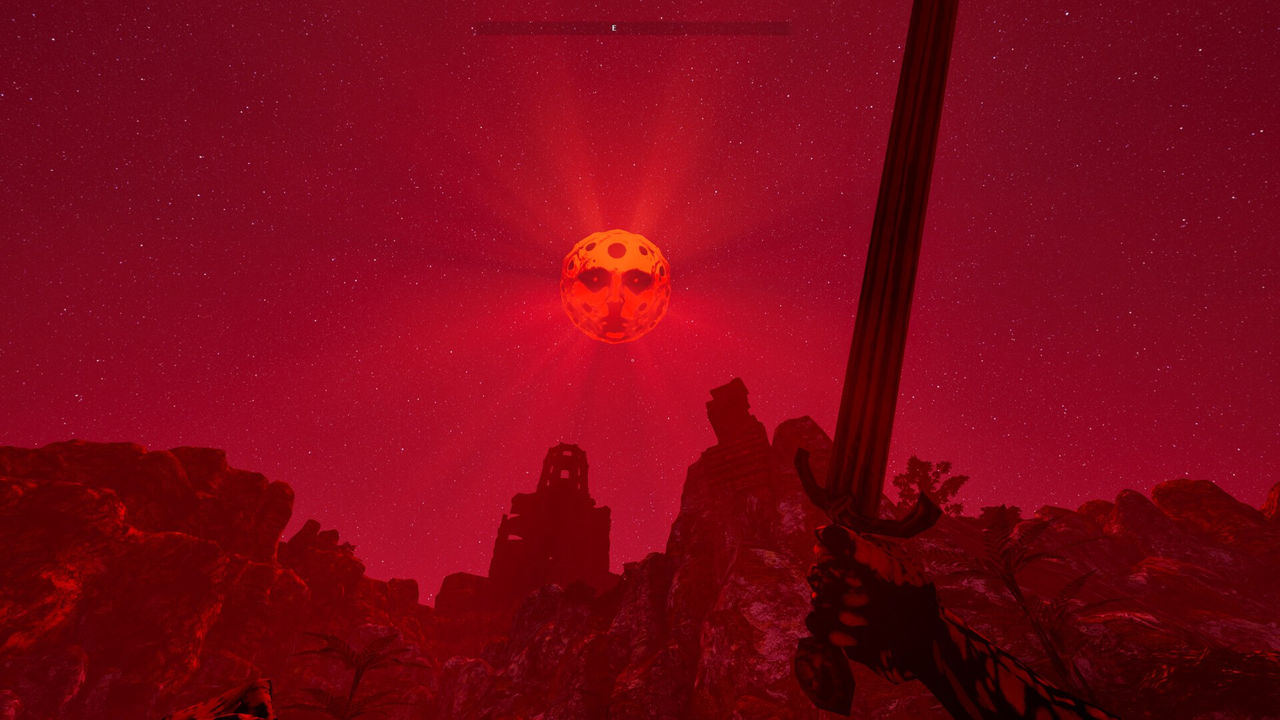
- An earlier update made skill experience progression linear, lowered experience requirements dramatically, and doubled training cost.
- The same update made crafted potion value scale with the Alchemy skill, though no formula was published.
- A later update moved telemetry readouts next to their values, changed a DT ice campaign message, and switched the low-spec warning to use recommended specs.
- Because patches keep landing, re-read the latest announcement before trusting an older build guide.
Combat, Resting and Progression Rules
Combat is visceral and multiple weapon types are supported, but the developer has spent updates tuning the numbers behind it. One official patch made enemies more accurate and retuned them to compensate, rebalanced the contribution of the Armor skill and the attributes awarded per skill level, and stopped awarding HP simply for gaining a character level. Armor damage reduction is capped at 85%, and the announcement is careful not to establish the rating formula, a best equipment combination or a damage ranking.
| Rule | Documented state |
|---|---|
| Armor damage reduction | Capped at 85% |
| HP per character level | No longer awarded for levelling |
| Enemy accuracy | Increased, with retuning to compensate |
| Resting | Restores health when enemies are not nearby |
| Rest in hostile areas | Can be interrupted, depending on the area |
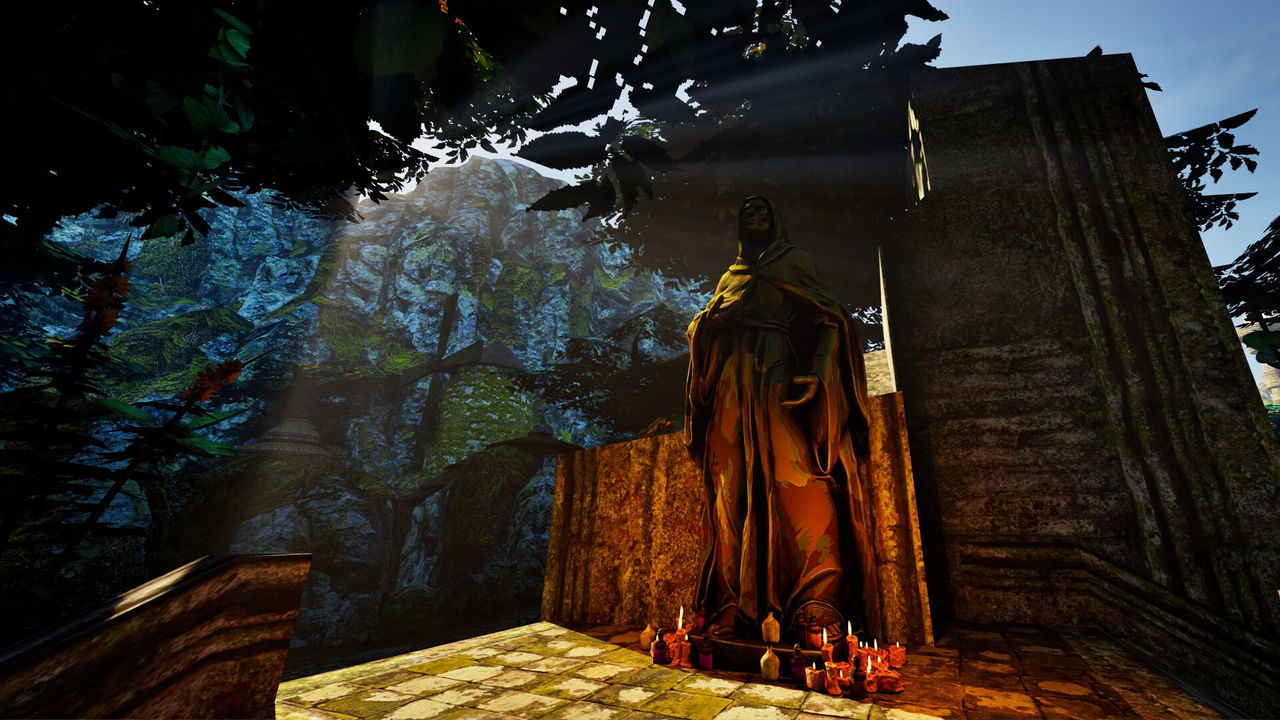
Magic sits on the same bar as weapons: R on keyboard or B on gamepad switches between an equipped weapon and a spell, number keys 1 to 8 are hotkeys, and autorun is Q with no default gamepad binding in the note. Exploration continues to change as well, since a later patch added two dungeons in the yellow fungal area and removed natural player buoyancy. The honest reading of all this is that the systems are real and generously scoped, and the specific numbers are provisional. For the travel layer that shapes how much ground you cover, see the fast-travel page; for the quest layer these systems feed, see the quest guide.
FAQ
What kind of game is The Lantern of the Laughless Saint?
Steam describes it as a solo or co-op RPG inspired by Morrowind, and an open-world fantasy RPG built around exploration and connection. You learn the island by walking it, following rumours, reading burned history and meeting lost souls, rather than by following a guided objective chain.
What is the core gameplay loop?
Explore the island and follow rumours rather than a single fixed route, resolve quests through choices that can change later outcomes, build skills and perks across combat, magic, stealth, mobility and gathering, and play alone, online or through the split-screen modes the store lists.
What does the Amphitheater do?
It is a theatre with an empty stage beneath the island. As you repair or ruin the lives of the inhabitants, the phantoms they leave behind take their seats in the audience, and the official wording says the House fills either way, so kindness and abuse produce different occupants rather than an empty room.
How has combat changed during Early Access?
An official update made enemies more accurate and retuned them to compensate, rebalanced the contribution of the Armor skill and the attributes awarded per skill level, and stopped awarding HP simply for gaining a character level. Armor damage reduction is capped at 85 percent.
Does resting heal you?
Partly. Resting restores health when enemies are not nearby, and in hostile areas sleep can be interrupted depending on the threat. The announcement does not give a radius for nearby enemies, a safe-area list or an interruption percentage, so treat rest as situation-dependent recovery.
References
- The Lantern of the Laughless Saint on Steam
- The Lantern of the Laughless Saint — independent guide archive (gameplay systems)
- Update 17 — Hotbar and More (official Steam announcement)
- The Lantern of the Laughless Saint hits Steam Early Access — Notebookcheck
Facts on this page are compiled from the references above. Items marked "to confirm" are single-source and not yet verified.